Meat species authentication
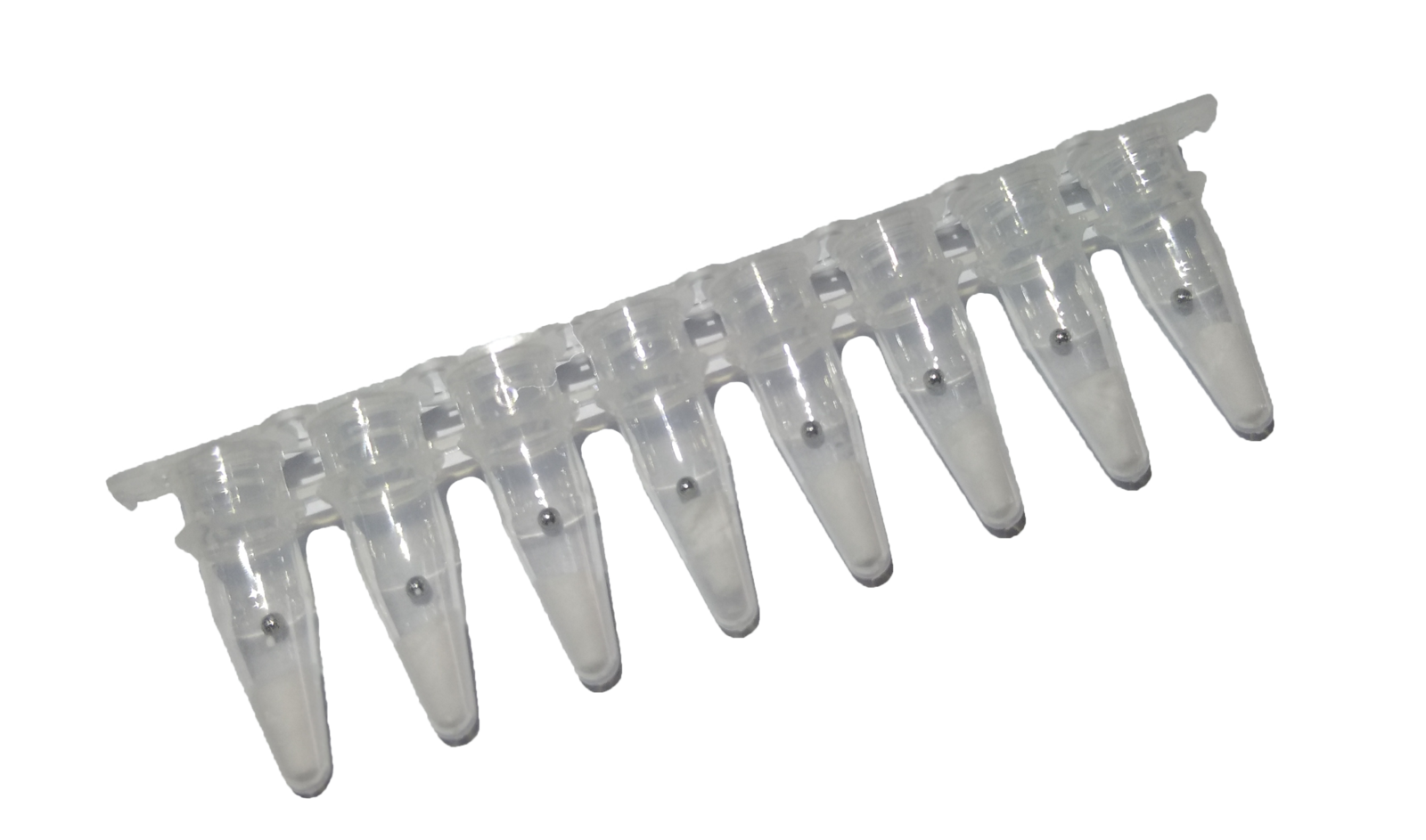
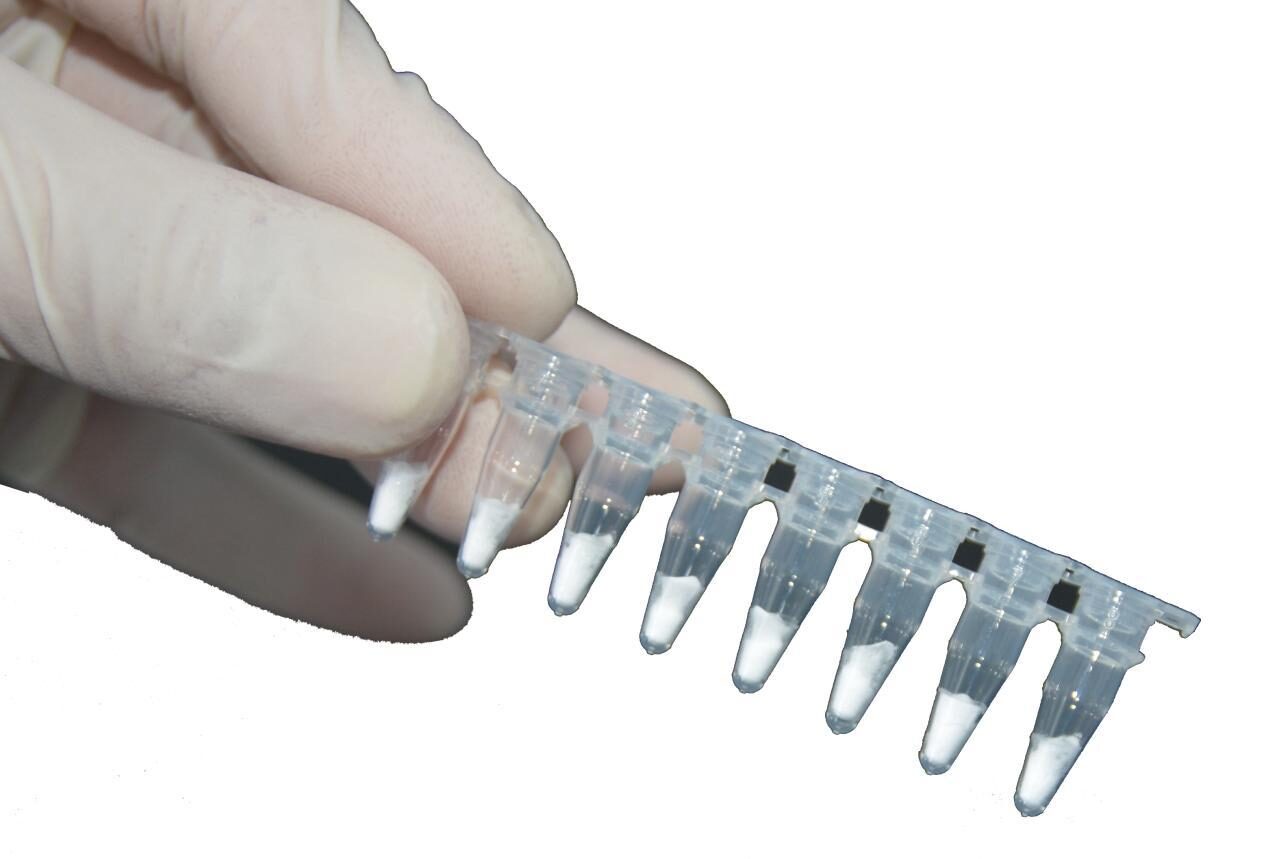
As price gaps between meats widen, species substitution and adulteration are increasingly common. RAA-based species kits detect species-specific genes, identifying meat origin at the molecular level with no cross-reaction between species. Limit of detection 1 % adulterated meat; lyophilised format; 5–15 min.
10 targetsChicken · Pork · Duck · Beef · Sheep/Goat · Rat · Horse · Mink · Fox · Donkey
UsersFood and feed manufacturers, dietary-supplement producers, customs and border inspection, livestock authorities, agricultural research institutes, third-party testing laboratories.
See the kits
Foodborne pathogen detection
In China, pathogenic bacteria account for an estimated 40–50 % of reported foodborne-illness cases each year. RAA pathogen kits combine multi-channel detection, short run times and high sensitivity (10³ cfu/mL) — raising testing throughput and moving food-safety warnings earlier. Qualitative detection in food, beverages, cosmetics and seafood.
9 targetsStaphylococcus aureus · Salmonella · Pseudomonas aeruginosa · Listeria monocytogenes · Haemolytic Streptococcus · Vibrio parahaemolyticus · Shigella · E. coli O157:H7 · Vibrio cholerae
Method referenceGB 4789 series and SN/T methods (e.g. GB 4789.4, GB 4789.10, GB 4789.30).
See the kits
GMO screening
GM crops carry genes introduced from other organisms to alter traits, nutrition or quality, and regulators worldwide require labelling and control. RAA-based GMO kits specifically detect exogenous elements and events in crops, identifying GM material at the molecular level.
6 screening elementsBt · bar · hpt · CaMV 35S promoter · FMV 35S promoter · nos terminator
6 eventsSoybean GTS 40-3-2, MON89788 · Maize MON810, Bt11 · Canola T45, Oxy-235
See the kits
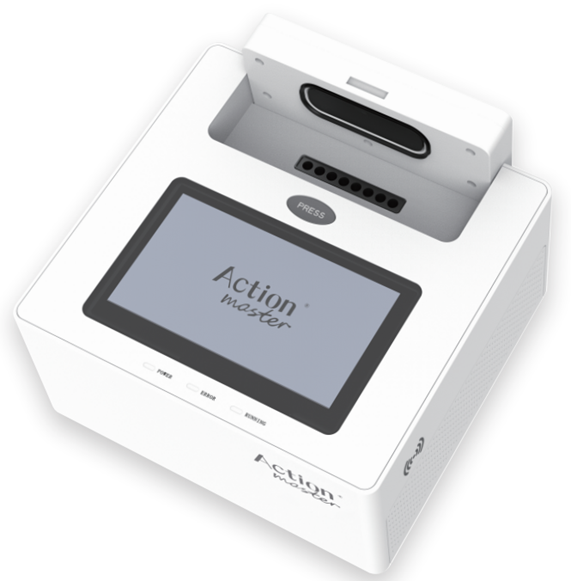
Example workflow (animal-species assay): weigh 50 mg sample into the extraction solution, incubate at 70 ℃ for 10 min; add 45.5 μL Buffer A, 2.5 μL Buffer B and 2 μL sample nucleic acid to the reagent tube; place in the Genchek analyzer; result in 5–15 min.